Snacks & drinks
Juices and canned or bottled drinks for export
Fruit juices (100% juice or with pulp), aloe vera drinks with aloe pieces and soya drinks are packed in aluminium cans, PET bottles or glass bottles and produced all year. The drinks are sterilised, stored at ambient temperature, keep for about 12–24 months depending on the packaging, and ship in dry containers. Private label is available on request (OEM).
- Produced all year
- Ambient · cool and dry
- 12–24 months
At a glance
Key shipping facts
- HS code
- 2009 · 2202
- Season
- Produced all year
- Container type
- 20' dry container (DC)
- Temperature & humidity
- Ambient · cool and dry
- Shelf life
- 12–24 months
- Container load
- Depends on the specification; stated in your quotation
Harvest calendar by month
- Main season / high volume
- Available
Produced all year
Product specifications
Technical specification sheet
Reference specifications for export orders, presented in the same order for every product so you can compare them easily.
General information
- Trade name (English)
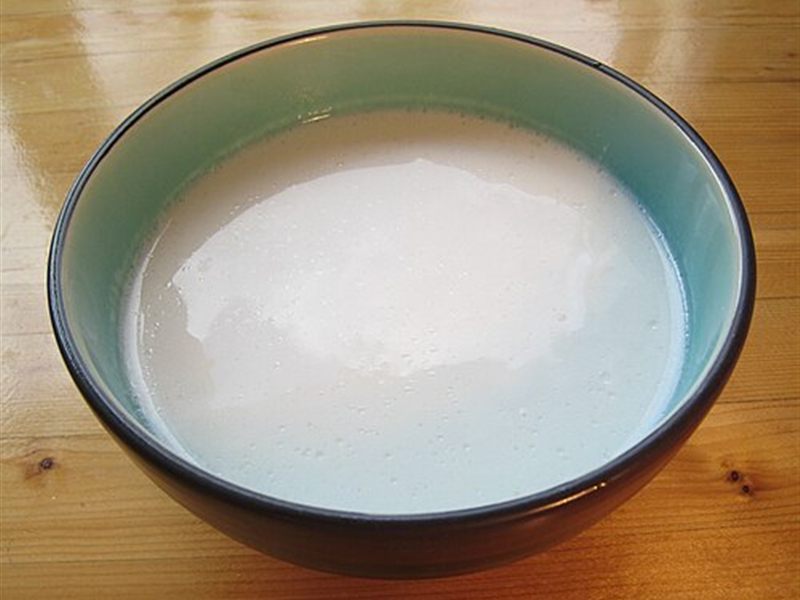
Fruit juice (100% juice, NFC, juice drink with pulp); Aloe vera drink (with aloe pulp); Soy milk (EU: soya drink)
- HS code
- 2009 (unfermented fruit and vegetable juices, including coconut water): 2009.41 / 2009.49 (pineapple), 2009.89 (juice of another single fruit such as mango, passion fruit or soursop), 2009.90 (mixed juices)
- 2202.10 (waters with added sugar, sweetener or flavouring, including carbonated drinks); 2202.99 (other non-alcoholic beverages: diluted juice drinks with pulp, aloe vera drinks, soya drinks…)
- Ingredients / types
- Juices: mango, pineapple, passion fruit, soursop, guava, lychee, longan, jackfruit, dragon fruit, mixed fruit
- Aloe vera drink: diced aloe vera leaf gel (Aloe vera) with water and fruit flavours. Soya drink: soya beans
- Sourcing / production areas
Aloe vera: Khanh Hoa (former Ninh Thuan). Fruit: the Mekong Delta and the South-East. Beverage factories: Ho Chi Minh City (including former Binh Duong)
- Season
Produced all year
Quality & grading
- Grading / sizes
- By juice content: 100% juice (no added sugar), NFC (not from concentrate), juice drinks with pulp, nectar; still or carbonated; sweetened, low-sugar or sugar-free
- Common sizes: 200–330 ml cans; 490–500 ml bottles (including 500 ml PET), 1 L bottles; 250 ml glass bottles
- Quality parameters
- °Brix, pH, acidity and the % juice or % aloe pulp as declared on the label; commercially sterile (no microbial growth at ambient temperature); a COA for every lot
- For the EU: tin in canned beverages ≤ 100 mg/kg, including juices (Regulation (EU) 2023/915)
- Product forms
Canned and bottled juices; juice drinks with pulp; aloe vera drinks with aloe pieces; fruit-flavoured carbonated drinks; sterilised soya drinks
Packing
- Export packing
250 / 330 ml cans: 24 cans per carton (tray); 500 ml and 1 L PET bottles and glass bottles in cartons
- Retail packing
Single cans and bottles or packs of 4–6. Contract manufacturing and private label (OEM) accepted
Storage & shipping
- Container type
20' dry container (DC)
- Temperature & humidity
Ambient temperature, cool and dry, out of direct sunlight; cartons kept upright and not over-stacked, to avoid dented cans and crushed bottles
- Shelf life
Aluminium cans about 24 months; soya drinks in glass bottles about 18 months; aloe vera drinks in PET bottles about 12 months
- Container load
Depends on the specification; stated in your quotation
Quarantine & certification
- Quarantine & certification requirements
- USA: FDA facility registration (21 CFR 1.225); Prior Notice for every shipment (21 CFR 1.279); labelling under 21 CFR part 101
- USA: juices must be produced under juice HACCP (21 CFR part 120); the importer must have procedures to verify the foreign processor (21 CFR 120.14)
- USA: low-acid canned beverages (pH > 4.6, water activity > 0.85) need facility registration (FCE) and a scheduled process filing (SID) for each product and container size under 21 CFR 108.35 and part 113; acidified beverages (pH ≤ 4.6) fall under 21 CFR 108.25 and part 114
- EU: the names “fruit juice” and “fruit nectar” follow Directive 2001/112/EC (as amended by Directive (EU) 2024/1438, applied from 14 June 2026); “milk” is reserved for animal milk (Regulation (EU) 1308/2013), so soy milk is labelled “soya drink”; labelling under Regulation (EU) 1169/2011 (soya is an allergen that must be emphasised)
- China: the manufacturing facility must be registered with GACC under Decree 280 (in force from 1 June 2026, replacing Decree 248); the manufacturer applies directly through GACC’s CIFER system
- Common factory certifications: ISO 22000 / FSSC 22000, HACCP, BRCGS, Halal, Kosher
- Goods with Halal / organic certification can be supplied on request, depending on the supplier
These are standard export specifications. Sizes, packing, labelling and shipping conditions are adjusted to your requirements and the importing country’s regulations, and stated clearly in the contract.
Honest advice
We suggest the specification, packing and route that work best for you.
Goods as promised
Carefully checked, with photos and videos sent to you before loading.
Documents you approve first
Drafts sent for your review first, to avoid problems at customs.
Support after delivery
We follow your shipment to arrival and help sort out any issue.
Get a quote and free advice
Tell us the specification, quantity and destination port – we will send a detailed quotation and suggest the packing and shipping option that works best for you.
Snacks & drinks